Do You Pay Tax on Gambling Winnings in the UK?
By the Bet at editorial teamUpdated 18+ · T&Cs apply to all offers
On this page
How we compare sitesAffiliate links: we may earn a commission18+ onlyUKGC-licensed operators
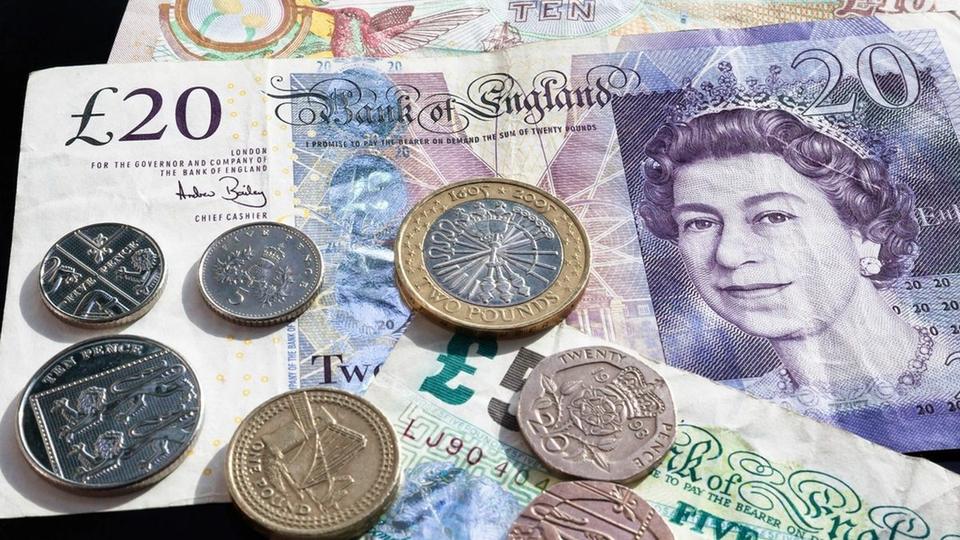
UK gambling winnings are not taxed as income. The person who placed the bet owes nothing to HMRC on the win itself, whether it’s £10 or £10 million. The tax obligation sits entirely on the other side of the counter.
That principle, confirmed by the Gambing Commission and embedded in the design of the UK’s gambling duties, surprises people. It also creates a set of second-order questions about what happens once the money is in the bank, moved abroad, or handed to someone else. The win may be untouchable, but everything that follows from it is not.
Why the winnings are not taxed
The Gambling Commission states flatly that winnings from gambling for customers are tax-free, with no ceiling. That position is not a loophole or a concession; it is a structural choice. HM Revenue & Customs levies duty on the profits of gambling operators, not on the receipts of individual punters. The logic is straightforward: collect once, at source, from the business that provides the service, and leave the customer alone.
HMRC’s own gambling duty guidance confirms that tax is charged as a percentage of profits, not on payouts. There is no schedule in the Income Tax (Earnings and Pensions) Act or the Taxation of Chargeable Gains Act that captures a betting slip, a casino chip win, or a lottery ticket. The winnings simply do not fit the statutory categories of income or gain. That removes the transaction from income tax and capital gains tax altogether.
Who pays tax instead
The operators. And the rates have just been overhauled.
Remote Gaming Duty, covering online casino games and virtual gaming, operates on a stepped schedule from 1 April 2026: 15% on the first £2,686,000 of gross gaming yield, 20% on the next £1,852,000, 30% on the next £3,243,000, 40% on the next £6,845,000, and 50% on the remainder. The 40% band is the one that catches most major remote operators.
Fixed-odds betting and totalisator wagers carry General Betting Duty at 15%. Financial spread bets attract 3%, while all other spread bets are charged at 10%. Betting exchanges pay 15% of commission charges taken from UK customers.
Pool Betting Duty is a flat 15%. Machine Games Duty sits at 5%, 20%, or 25% depending on the machine category and cost or prize limits. The rates page at HMRC breaks all of this down by tax year, and the current schedule for 2026‑27 shows the Remote Gaming Duty stepped structure in full.
The bettor never sees a deduction. The duty is built into the operator’s margin – the price of the bet already contains the tax but it is a cost the business bears, not a withholding on returns.
What can become taxable later
The win is not the end of the story. Once the money lands in a bank account, everything it earns is fair game for the taxman.
Interest on a deposit account is savings income, taxed in the ordinary way, subject to the personal savings allowance. The fact the principal came from a casino weekend changes nothing. HMRC does not trace the source; it taxes the income generated.
If the winner invests the money, dividends and capital gains fall under the usual UK rules. The dividend allowance and the capital gains tax annual exempt amount apply, but any excess is chargeable. A lump sum placed into an ISA loses its source identity entirely and grows tax-free; a sum deployed into a general investment account does not. Secondary coverage states that income from investing gambling winnings is taxed under the standard regime, and that is the rule that catches people who assume the initial tax-free status follows the cash.
Living abroad or winning abroad
UK residence is the hinge. A UK resident who wins money on a foreign site, or in person at a casino in Monaco, does not change the domestic tax treatment: the winnings remain free of UK income tax. The Gambling Commission’s statement covers all winnings, and there is no territorial filter that strips out foreign wins.
The complication appears when the winner stops being a UK resident. Other countries treat gambling winnings differently, and some tax them as income. A British expat who wins at an online
More from the blog
 Horse RacingTote Placepot and Jackpot: How UK Pool Betting Works
That is the entire bargain with Tote pool betting, and it is the thing anyone coming from fixed-odds wagering finds…
 Horse RacingStarting Price vs Best Odds Guaranteed: Which Price Your Horse Bet Gets
A horse bet can settle at one of two numbers: the fixed early price you took when placing the bet, or the official…
 Horse RacingLucky 15 Bets: How They Are Settled When a Horse Is a Non-Runner
A Lucky 15 contains 15 separate lines across four selections: four singles, six doubles, four trebles and one fourfold…