Tote Placepot and Jackpot: How UK Pool Betting Works
By the Bet at editorial teamUpdated 18+ · T&Cs apply to all offers
On this page
How we compare sitesAffiliate links: we may earn a commission18+ onlyUKGC-licensed operators
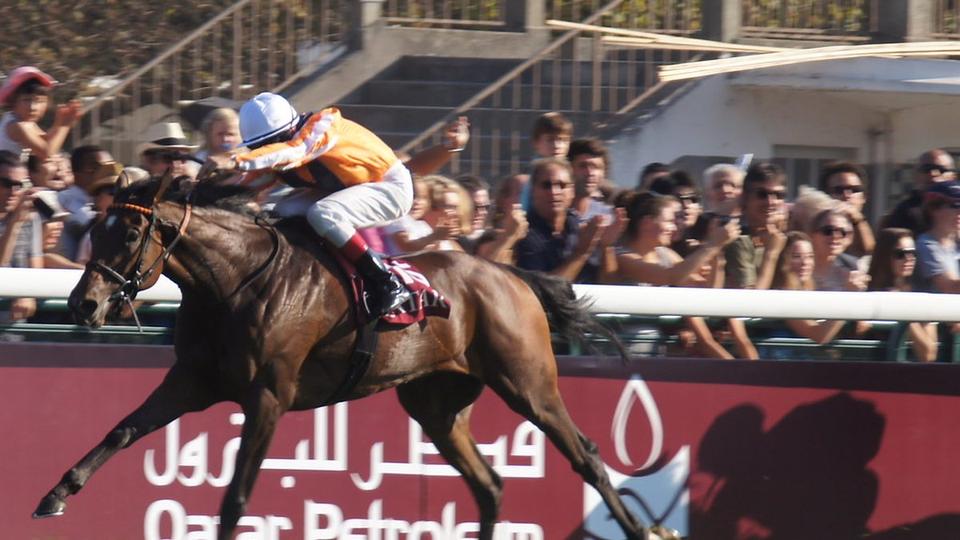
That is the entire bargain with Tote pool betting, and it is the thing anyone coming from fixed-odds wagering finds hardest to grasp. When you back a horse at 6-1 with a bookmaker, the return is locked the moment the bet is struck. A Tote Placepot that covers the first six races of a meeting has no fixed price. Your £2 line might return £8 or £800, and you will not know which until every race is run, the pool is closed, the operator takes its cut, and the surviving tickets are counted.
Pool betting means exactly that. Every stake on a given bet type goes into a single pot. A deduction is taken to cover operating costs. What remains is divided equally among the winning units. The number that matters is not a set of odds but a dividend—a sum declared to a £1 unit once the arithmetic is done. Because the dividend depends on how many people got it right and how much money is in the pool, it cannot be known in advance. Two identical Placepot selections on different days can produce wildly different payouts even if the same horses finish in the same positions. The pool size and the number of winning lines are different each time.
Placepot: Six Races, Place Not Win
The standard Tote Placepot asks the bettor to pick a horse to finish placed in the first six races of a meeting. The horse does not need to win. It needs only to finish in one of the positions that count for place purposes in that particular race.
Which positions those are depends on field size, and the Tote's rules shift with the number of runners. In a race with four or fewer runners, there is no place betting at all. With five, six or seven runners, the first two count as placed. Once the field reaches eight runners or more, the first three are places. In handicaps of 16 or more runners, the first four horses home count. A Placepot selection that finishes third in a 12-runner handicap is good; the same finishing position in a six-runner maiden is not. Bettors who treat every race as "first three" will lose legs they did not need to.
The structure of six races means the bet compounds. One wrong pick in any leg and the ticket is dead. That is why the bet attracts small-stake punters chasing large pools and large-stake punters covering multiple horses per race through permutations.
Quadpot and Jackpot
The Quadpot is a compressed version. It requires a placed horse in races three, four, five and six at a meeting. A bettor who loses the first two legs of a Placepot can still salvage something if they also had a Quadpot running from race three. Tote documentation describes it plainly: select a competitor to be placed in each of races three to six unless otherwise stated. The place terms are the same as for the Placepot, varying with field size in each leg.
The Jackpot is the harder bet to pin down. It is generally a pool that requires picking the winners of six nominated races, but which races it uses and whether it is always a six-race winner-pick pool can change. Anyone betting it should check the specific meeting conditions on the Tote website before staking, because the precise format can differ from the Placepot's structure. What is certain is that it operates on the same pool principle: stakes shared, dividend unknown until the close.
Perms, Lines and How the Cost Multiplies
A Placepot is not necessarily one horse per race. Bettors can select multiple horses in any leg, and the total number of lines is the product of selections made across all six races. The arithmetic is simple: multiply the number of picks in race one by the number in race two, then by race three, and so on.
A worked example from a betting guide makes this concrete. If a bettor picks two horses in race one, three in race two, one in race three, two in race four, one in race five and one in race six, the sum is 2 × 3 × 1 × 2 × 1 × 1. That is 12 lines. At a £1 unit stake, the bet costs £12. At 50p a unit it costs £6; at £2 a unit it costs £24. The unit stake is the amount placed on each line, and the dividend declared after the pool closes is expressed per £1 unit. A winning £12 bet of 12 lines at £1 each returns 12 times the declared dividend.
This is where most cost surprises happen. Adding a second horse in one race doubles the number of lines. Adding a second in two races quadruples them. A bettor putting two horses in every leg of a Placepot is buying 64 lines—and at £1 a unit that is £64, not £2. The unit-stake system makes the bet flexible and quietly expensive.
What Happens When a Horse Does Not Run
Non-runners are a fact of racing, and pool bets handle them differently from fixed-odds wagers. If a selected horse is withdrawn before the race, the bet is not voided. Instead the non-runner is replaced by the favourite in that race. Where there are joint-favourites or co-favourites, the tie is broken by the lowest race-card number.
The effect is that the leg stays live. The bettor may end up with a shorter-priced horse than the one they picked, but the line does not collapse. The alternative—voiding the leg and refunding the stake—would break the pool structure, since the money is already committed and the dividend depends on a closed pool. The replacement rule keeps the arithmetic intact, even if it occasionally hands a punter an unwanted favourite and a smaller share of the pool than they hoped for.
Does the horse need to win?
No. The Placepot and Quadpot require the horse only to finish placed. The Jackpot, by contrast, typically requires winners, but confirming the exact current rules on the Tote site for the specific meeting is essential.
Are the place terms always the same?
No. The number of placed positions depends on the field size in each race. Four or fewer runners means no place betting. Five to seven runners gives two places. Eight or more gives three. Handicaps with 16 or more runners give four.
Why is the payout different from an each-way bet at fixed odds?
Because a pool dividend is not a set of odds. It is the total pool money, minus deductions, divided among winning units. The number of winning units and the size of the pool change every day. Fixed-odds each-way terms are a contract struck at the point of bet. A Tote dividend is a share of whatever was in the pot.
How do I know what I will win?
You do not. That is the trade. The dividend is declared only after the pool closes, the operator's deduction is taken, and the winning lines are counted. A 50p-unit Placepot that costs £6 one Saturday could pay nothing or a four-figure sum, and you will not know which until the last race is run and the Tote publishes the dividend.
More from the blog
 Horse RacingStarting Price vs Best Odds Guaranteed: Which Price Your Horse Bet Gets
A horse bet can settle at one of two numbers: the fixed early price you took when placing the bet, or the official…
 Horse RacingLucky 15 Bets: How They Are Settled When a Horse Is a Non-Runner
A Lucky 15 contains 15 separate lines across four selections: four singles, six doubles, four trebles and one fourfold…
 Safer GamblingGAMSTOP Explained: How UK Self-Exclusion Works and What It Covers
On 31 March 2020 every online gambling operator licensed in Great Britain was ordered to join GAMSTOP. The service is…