Rule 4 Deductions Explained: Why Your Horse Racing Winnings Were Cut
By the Bet at editorial teamUpdated 18+ · T&Cs apply to all offers
On this page
How we compare sitesAffiliate links: we may earn a commission18+ onlyUKGC-licensed operators
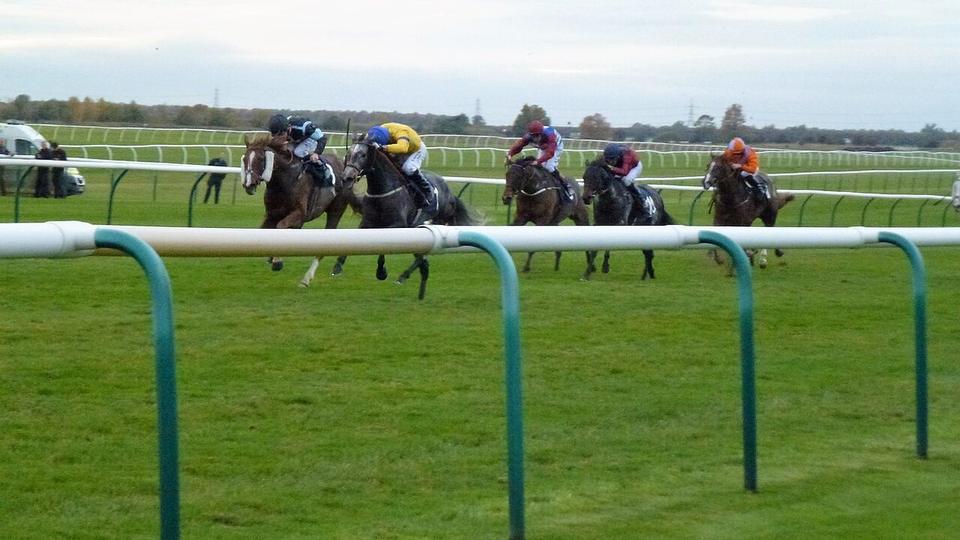
You back a horse at a fair price, it wins, and the payout lands smaller than the maths said it would. The slip carries a line that reads “Rule 4 deduction,” and your winnings have been reduced. The reason is not a mistake. It is a bookmaker adjustment that kicks in before the race even starts – the moment another runner is pulled out and there is no time to reform the market. The deduction is not a penalty on your winning pick. It is a fairness mechanism, and its size depends entirely on the odds of the horse that did not run.
The Fix Behind the Deduction
Rule 4 is the industry shorthand for a specific part of the Tattersalls Committee’s Rules on Betting. Tattersalls, a body involved in British horse-racing wagering, states that rule 4(c) applies when a horse is withdrawn before coming under starter’s orders. Betfred’s horse-racing rules spell out the consequence: winning bets on the remaining runners are subject to a deduction, and stakes placed on the withdrawn horse are returned in full.
The logic is straightforward. A fixed-odds bet is struck on the basis of an existing field. When a runner comes out, the chances of those still in the race improve by an amount that is proportionate to the price of the defector. A 1/5 favourite leaving the race alters the market far more than a 20/1 outsider. Because the race cannot be re-bet at new odds, the bookmaker adjusts settled returns instead. Industry explainers describe the rule as a way to stop punters who backed at the old, more generous odds from getting a windfall at the layer’s expense.
How the Deduction Pounds Add Up
The deduction is expressed in pence per pound of winnings, not per pound of stake. It is pulled from the published Tattersalls scale that runs from 90p in the pound down to 5p, and then to zero.
Bookmaker rules state that the size of the hit is set by the price of the non-runner at the moment of withdrawal, not at the time the bet was placed. If the horse that came out was trading at 1/9 or shorter, the deduction is 90p in the pound. That means £90 is taken for every £100 of profit. A punter who had £10 on an 8/1 winner would have earned £80. After the maximum Rule 4 deduction, they keep just £8 of that profit, plus their £10 stake back – a return of £18 instead of £90.
The scale steps down through the odds. At the other end, a withdrawn horse quoted between 10/1 and 14/1 triggers a deduction of only 5p in the pound. Any non-runner priced longer than 14/1 produces no deduction at all. Industry reporting on Tattersalls Rule 4 laid this out clearly, noting that the smallest cut is a token figure because a long-odds defector barely shifts the market.
There is no averaging or smoothing. The price of the withdrawn horse at the instant it comes out is what governs the amount booked against winning returns.
What Rule 4 Takes – And What It Leaves
The deduction bites into winnings, never the stake. Betfred’s rules make that explicit: the stake placed on a winning selection is returned untouched. The same rules say a bet on the withdrawn horse itself is returned in full – the punter gets the money back and nothing more.
The rule generally applies to fixed-odds bets struck before the withdrawal, because the market has changed after the bet was placed. Sky Bet’s horse-racing rules state that deductions are applied to bets settled at early price or board price, with the non-runner’s odds taken at withdrawal. If you placed your wager after the withdrawal, you already bet into the updated market and Rule 4 does not apply.
Industry explainers put it plainly: a bettor who locked in 6/1 on a horse before the favourite came out gets an advantage that the deduction is designed to neutralise, not erase entirely – the remaining runners’ true odds are now shorter, but the punt was struck at the old line.
The Grey Areas That Catch Punters Out
The most common misunderstanding is that Rule 4 eats into the stake. It does not, but the slip shows a smaller return, and regular bettors sometimes read the deduction as a flat tax on everything they put down. In reality, the maths only touches the profit.
Another trap is the assumption that the rule covers all wagers equally. It does not. Starting-price bets, where the odds are set at the off after all withdrawals, sit in a murky zone. The accessible rule pages from Sky Bet and Betfred do not spell out the SP treatment, and the published Tattersalls tables do not list such carve-outs. A punter who takes the SP may find that Rule 4 is not applied, but the safest advice is to check the individual bookmaker’s terms before the race.
Each-way bets raise a similar loose end. The win part of the bet is subject to the deduction, but the place portion is not always addressed explicitly in bookmaker terms. Some layers deduct only from the win winnings; others apply a proportionate cut to the place winnings as well. Where the terms do not spell out that handling, the slip alone may not answer the question.
What happens when two or three horses withdraw is another missing piece. The Tattersalls consultation document does not show a combined-deduction formula or any cap. In practice, bookmakers often sum the separate percentages, but a cap sometimes applies to stop the deduction exceeding a set percentage of winnings. Punters should look for that ceiling in the bookmaker’s current rules before betting into markets with several late non-runners.
Common Questions Answered
Why does a shorter-priced withdrawn horse produce a bigger deduction? Because a short-odds runner takes a disproportionate amount of the market’s probability with it. The Tattersalls-linked scale ties the deduction to the price band: the shorter the non-runner’s odds, the greater the market distortion, and the larger the pence-in-the-pound figure. That is why 90p hits when the defector was 1/9 or shorter, while a 12/1 exit costs just 5p per pound of profit.
Why do bookmakers say the market has changed? Fixed-odds betting prices are built from the full field. Removing a runner, especially a well-backed one, shifts the implied chances of every other horse. The bet was struck under the old conditions, so the bookmaker applies Rule 4 to bring the payoff closer to what it would have been if the market had been re-formed. Industry explainers describe it as a way to prevent a punter from collecting at defunct odds that overstate the winner’s value.
Why is there no deduction for horses longer than 14/1? The effect of a 16/1 or 20/1 outsider pulling out is so small that the adjustment is deemed not worth levying. The published scale stops at 14/1, and the Racing Post coverage confirms that the cut-off is zero for anything above that mark. The odds-on favourite going missing can transform a race; a 25/1 rag doing the same barely moves the needle.
What if more than one horse is withdrawn? The straight answer is that the rules are not fully transparent from the materials inspected. Some betting operators apply consecutive deductions: a 15p hit followed by a 10p hit, for instance. Others impose a combined percentage cap. Until a punter has read the bookmaker’s own published rulebook or seen a comprehensive Tattersalls table, that remains an open question best settled before the wager is placed.
Rule 4 is, at bottom, a market-correction device that tracks the price of the non-runner. The deduction appears sharpest when the withdrawn horse was short, and it fades to nothing when the defector was a longshot. The fairness it aims for is straightforward; the precise bandings, caps, and edge-case treatments are what any punter should confirm from the bookmaker’s or Tattersalls’ current rules before relying on them.
More from the blog
 Horse RacingTote Placepot and Jackpot: How UK Pool Betting Works
That is the entire bargain with Tote pool betting, and it is the thing anyone coming from fixed-odds wagering finds…
 Horse RacingStarting Price vs Best Odds Guaranteed: Which Price Your Horse Bet Gets
A horse bet can settle at one of two numbers: the fixed early price you took when placing the bet, or the official…
 Horse RacingLucky 15 Bets: How They Are Settled When a Horse Is a Non-Runner
A Lucky 15 contains 15 separate lines across four selections: four singles, six doubles, four trebles and one fourfold…